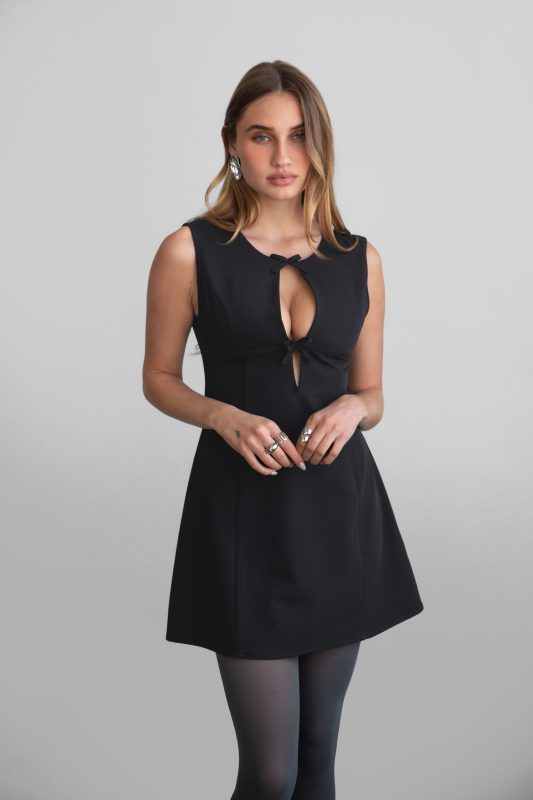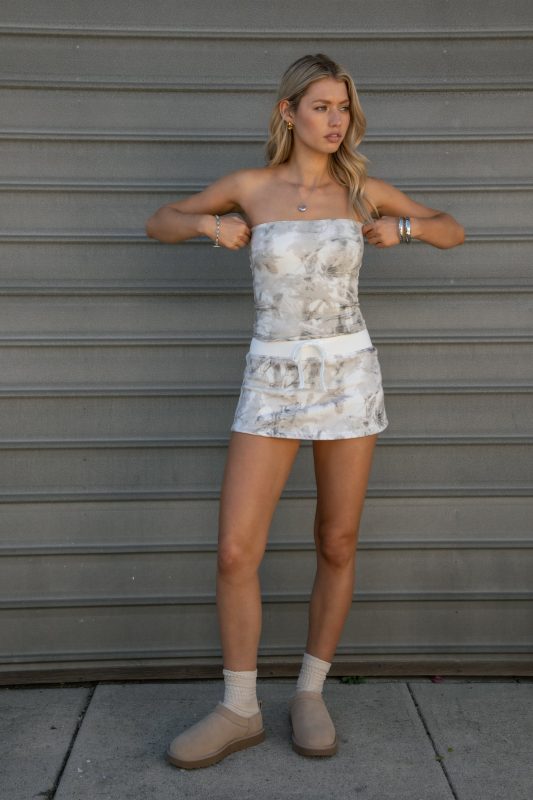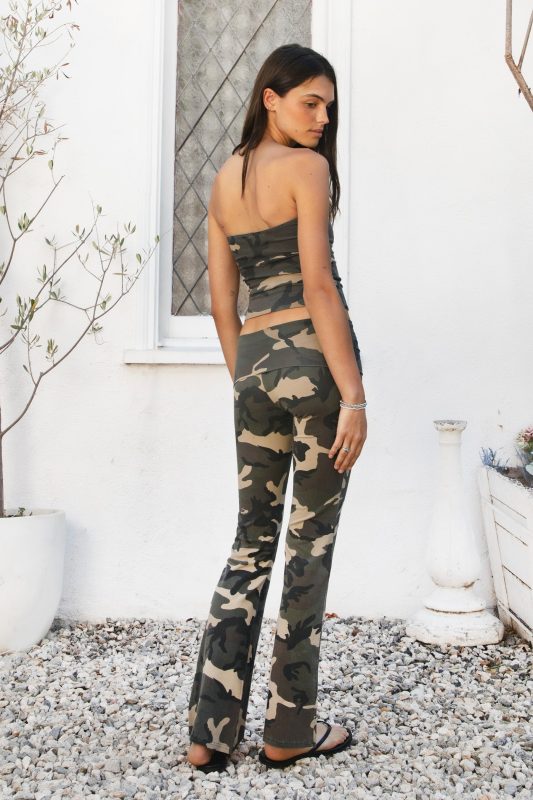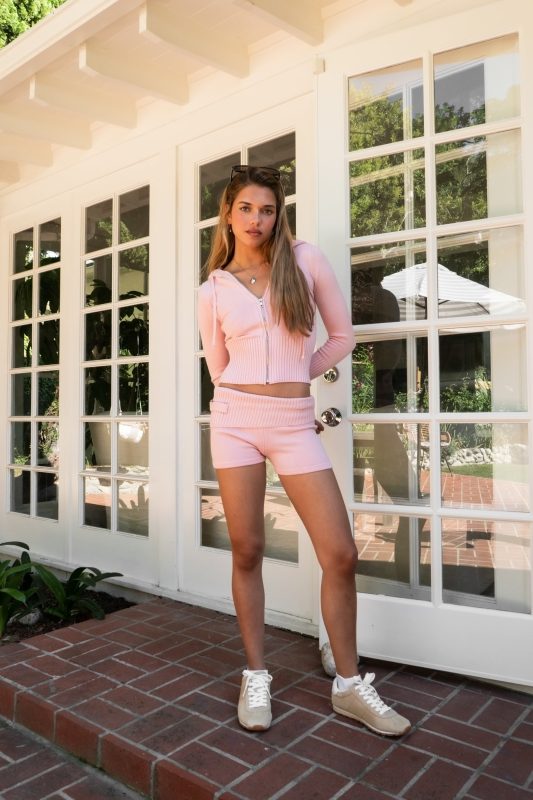
Material, Movement, Memory
The Language of Fabric
Clothing is experienced before it is fully seen. A sleeve brushes the wrist, a skirt shifts while walking, a jacket settles across the shoulders. Fabric gives every garment its first physical impression and much of its emotional character.
When structure becomes part of the silhouette.
Crisp cotton has an architectural quality. It holds a collar away from the neck, gives a shirt a clean line through the sleeve, and allows pleats, cuffs, and gathered shapes to remain legible throughout the day. Unlike fabrics that immediately follow the body, cotton can create a small amount of space around it.
That space changes the mood of a garment. A cotton shirt can feel precise without feeling formal, while a poplin dress can appear fresh because the fabric maintains its own outline. The material responds especially well to deliberate proportions: an oversized sleeve, a defined waist, a generous skirt, or a sharply cut hem.
Its comfort comes from familiarity as much as function. Breathable and dependable, it can move easily between work, travel, and everyday routines. The result is clothing that feels composed without demanding constant attention.
Fluidity changes how clothing enters a room.
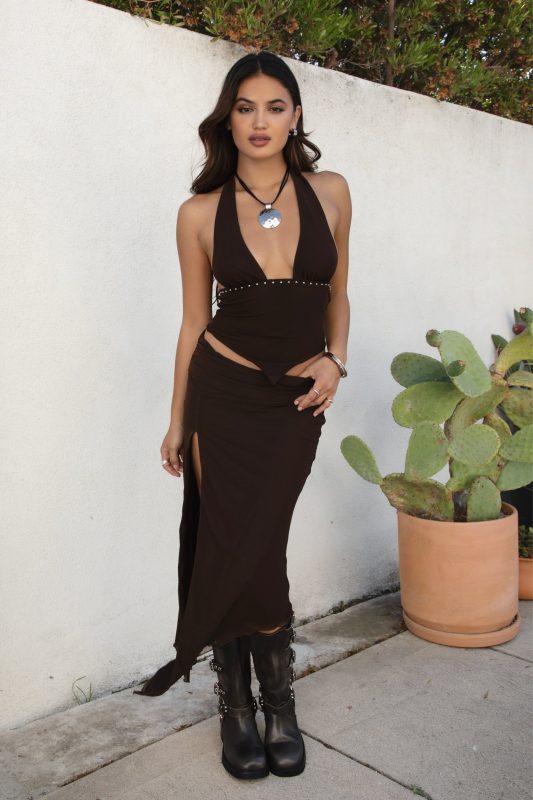
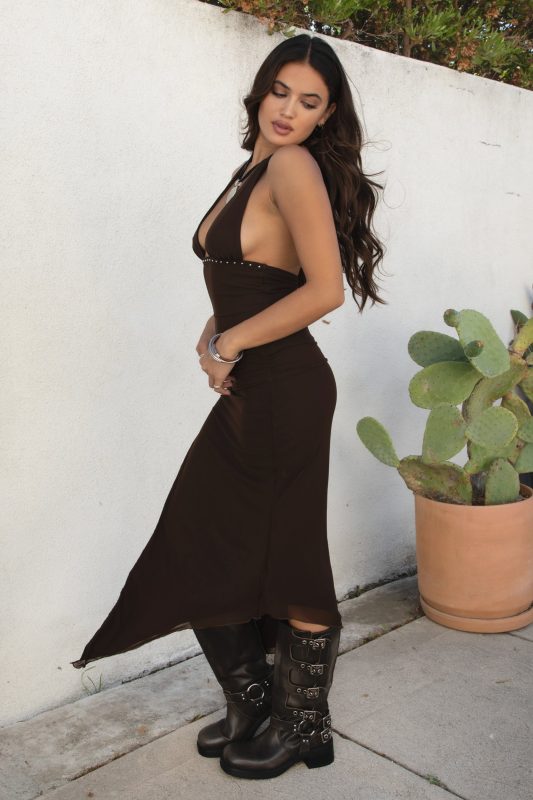
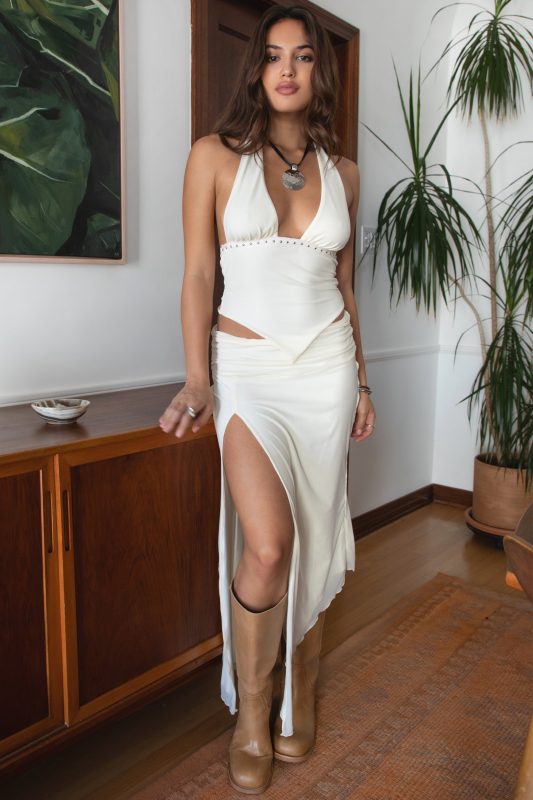
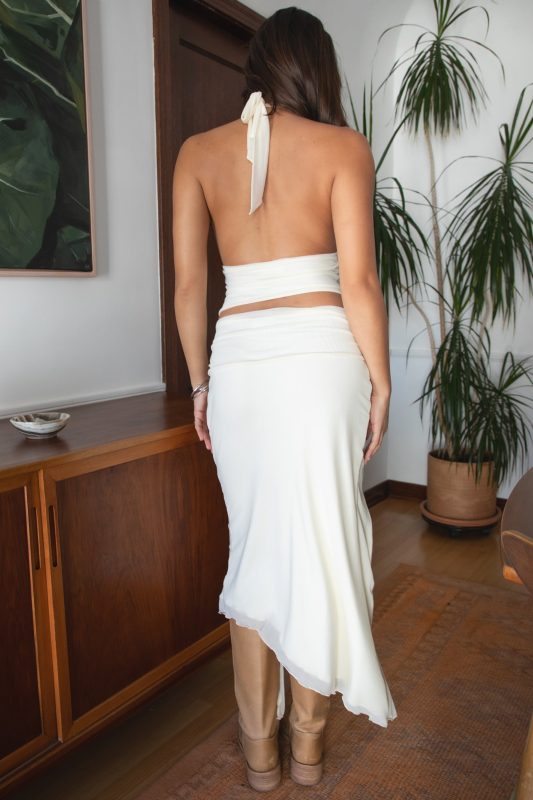
Satin behaves differently. Its character comes from movement and reflection rather than firmness. It catches light across folds, slips around the body, and allows a garment to change slightly with every step. A simple silhouette can therefore feel expressive without requiring elaborate construction.
In a blouse or long skirt, satin softens tailoring and introduces contrast beside matte wool, denim, or knitwear. In a dress, it can create an uninterrupted line from shoulder to hem, making movement itself part of the design. The fabric naturally suits evening dressing, yet its most interesting use can appear earlier in the day when paired with quieter, more grounded materials.
Because satin follows rather than resists the body, cut becomes especially important. Enough ease allows it to skim instead of cling, preserving both comfort and elegance over several hours of wear.
Breathability has its own visual language.
Linen communicates ease almost immediately. Its visible weave, natural irregularity, and tendency to soften with wear prevent it from feeling overly controlled. Even when the cut is tailored, linen retains a relaxed quality that makes the garment seem connected to movement, air, and warm weather.
Its creases are part of that character rather than a flaw to be eliminated. A linen trouser changes subtly after sitting. A jacket loses some of its morning sharpness by afternoon. A dress becomes softer against the body as it is worn. Instead of remaining visually fixed, the fabric records the day.
This makes linen particularly suited to silhouettes with breathing room: loose shirts, elongated waistcoats, wide trousers, softly shaped dresses, and light outer layers. It offers polish, but never at the cost of ease.
The character of a garment is not created by shape alone. Fabric decides whether that shape feels crisp, quiet, fluid, protective, or almost weightless.
Softness can give structure a different meaning.
Knitwear works through flexibility. Rather than creating a shell around the body, it responds to the body directly, stretching, recovering, and settling according to movement. That responsiveness is what gives a knitted piece its sense of comfort, but it also determines how polished or relaxed the final silhouette appears.
Fine-gauge knits can behave almost like shirting, sitting neatly beneath a jacket or tucking into a skirt without adding volume. Heavier knits create their own shape, using ribbing, weight, and texture to define the shoulder or fall away from the waist. The difference is not simply warmth; it is the way thickness changes proportion.
Knitwear is often the fabric most closely connected to physical reassurance. A soft collar near the face, a sleeve extending over the wrist, or a cardigan that can be wrapped rather than fastened creates a kind of adaptability that more rigid garments cannot provide.
Warmth can sharpen rather than soften.
Structured wool combines physical warmth with visual authority. In a coat, blazer, or tailored trouser, its density allows seams and edges to remain clear while giving the garment enough weight to fall decisively.
The best wool tailoring does not simply feel heavy. It distributes weight in a way that supports the cut. A shoulder can become more defined, a long coat can hang with greater verticality, and a trouser can maintain its crease without feeling rigid.
Wool also has a useful emotional quality: it can make the wearer feel protected. That sense of protection matters in colder months, when clothing becomes both presentation and shelter. Structure provides composure while the material itself provides warmth.
Transparency changes the relationship between layers.
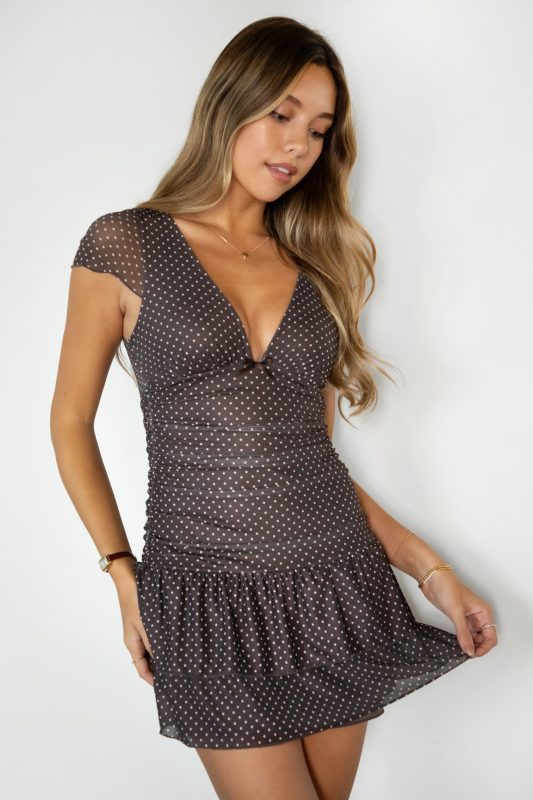
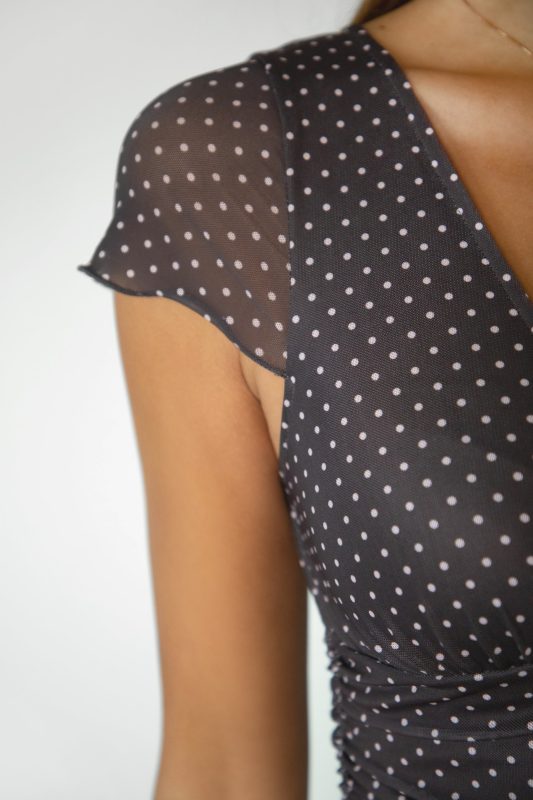
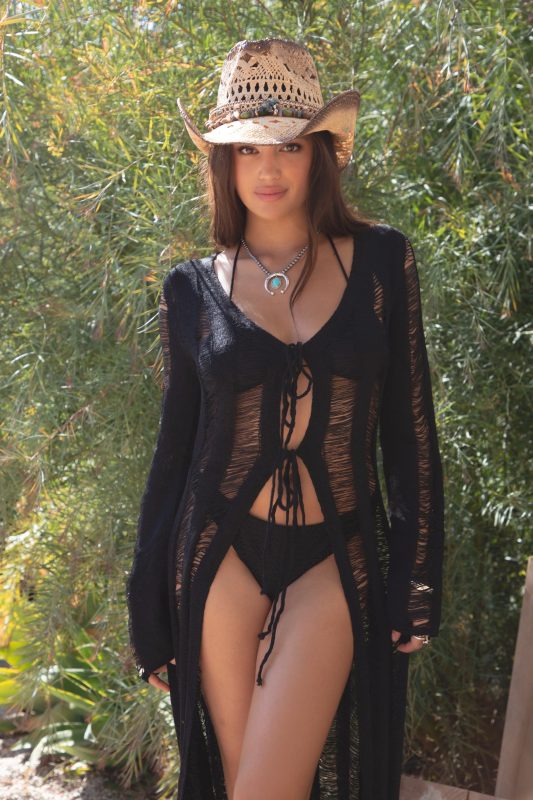
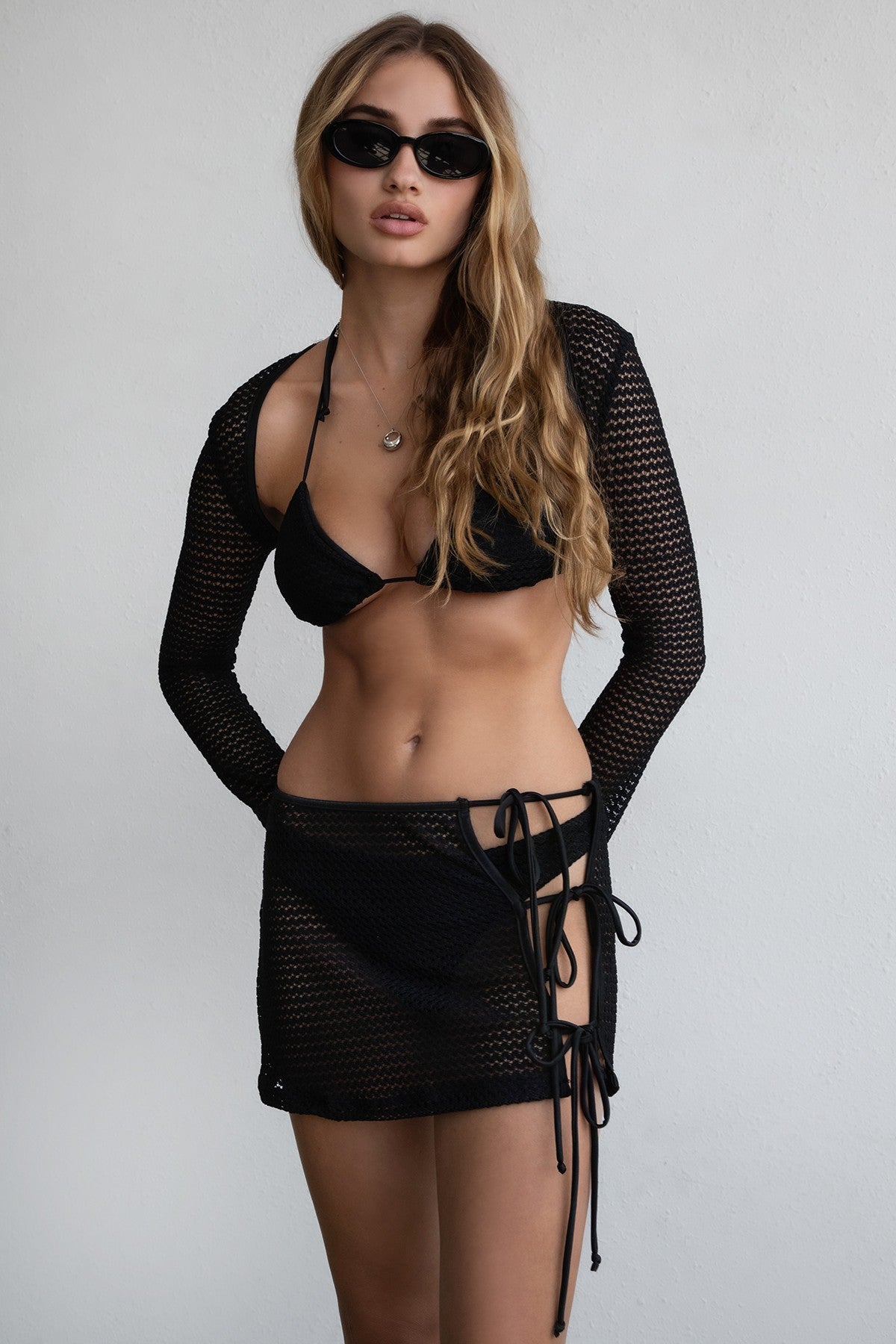
Sheer textiles rarely operate alone. Their strength lies in what they reveal, soften, and partially conceal. A transparent sleeve can lighten the visual weight of a dark dress. A sheer blouse over a tonal base can create depth without relying on print. A translucent skirt layered over an opaque foundation allows two silhouettes to exist at once.
Because transparency directs attention to layering, it encourages more deliberate styling. The garment underneath becomes part of the composition, and the distance between fabrics matters as much as the fabrics themselves. Movement increases that effect as layers separate, overlap, and reconnect with each step.
Sheerness does not need to feel exposed. Used thoughtfully, it can create softness while remaining composed. The most successful examples balance lightness with coverage, allowing the wearer to decide how much contrast, definition, and visibility feels natural.
That decision points to a broader truth about material and confidence. Clothing feels convincing when its physical behavior matches the wearer's sense of self. Some women feel strongest in a crisp line; others prefer softness, movement, weight, or transparency. Fabric becomes personal because comfort is both physical and psychological.
LATEST PRODUCTS
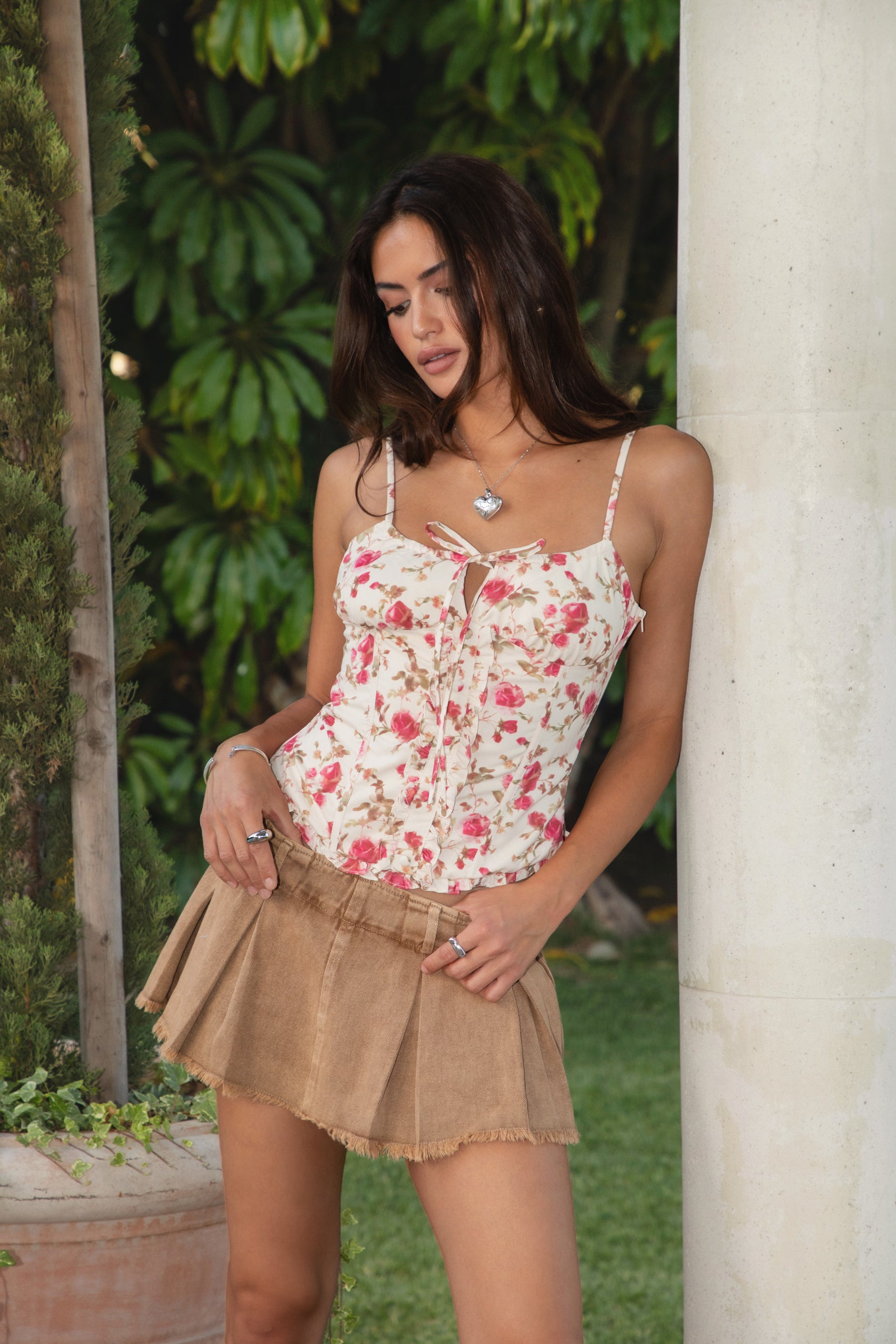
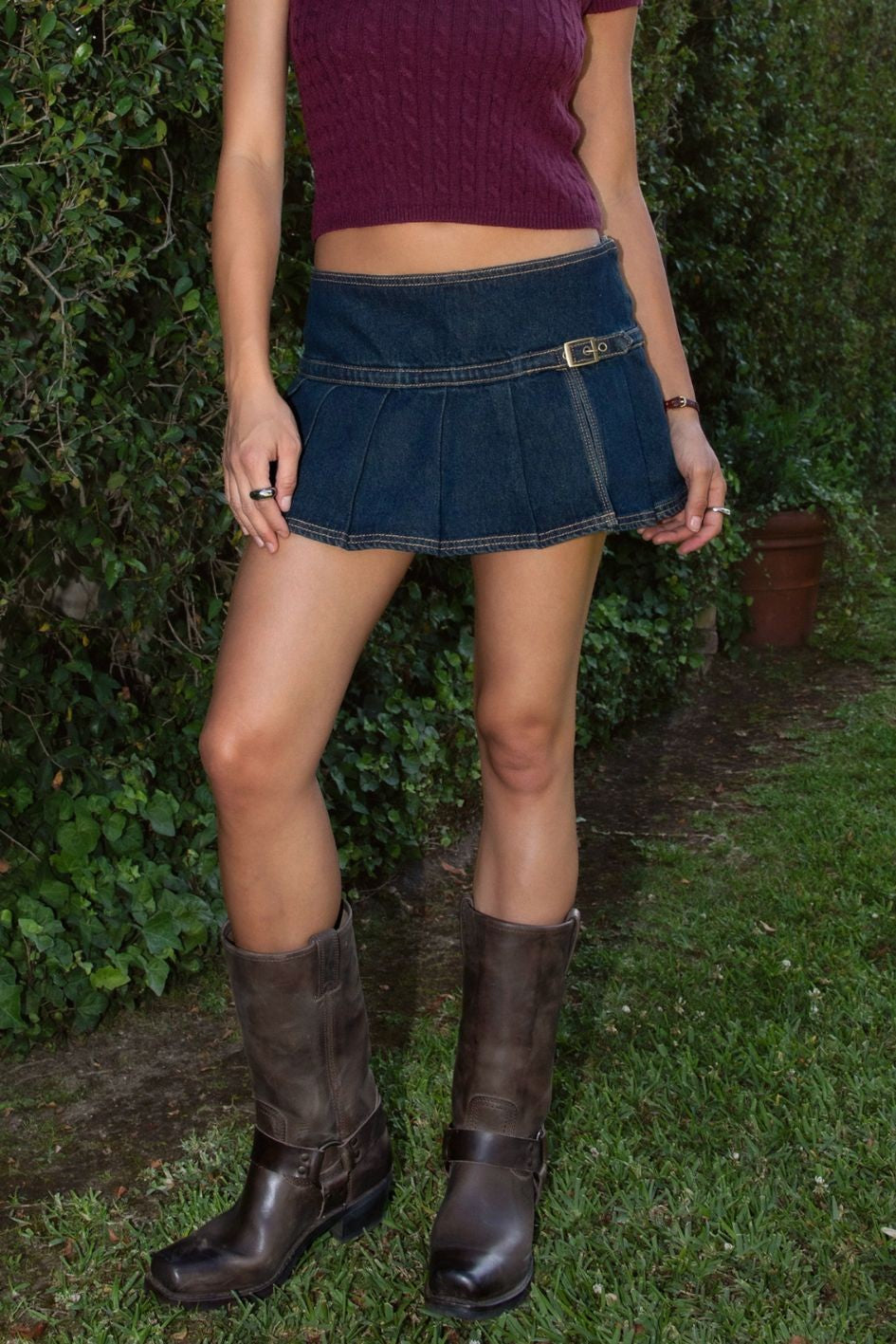
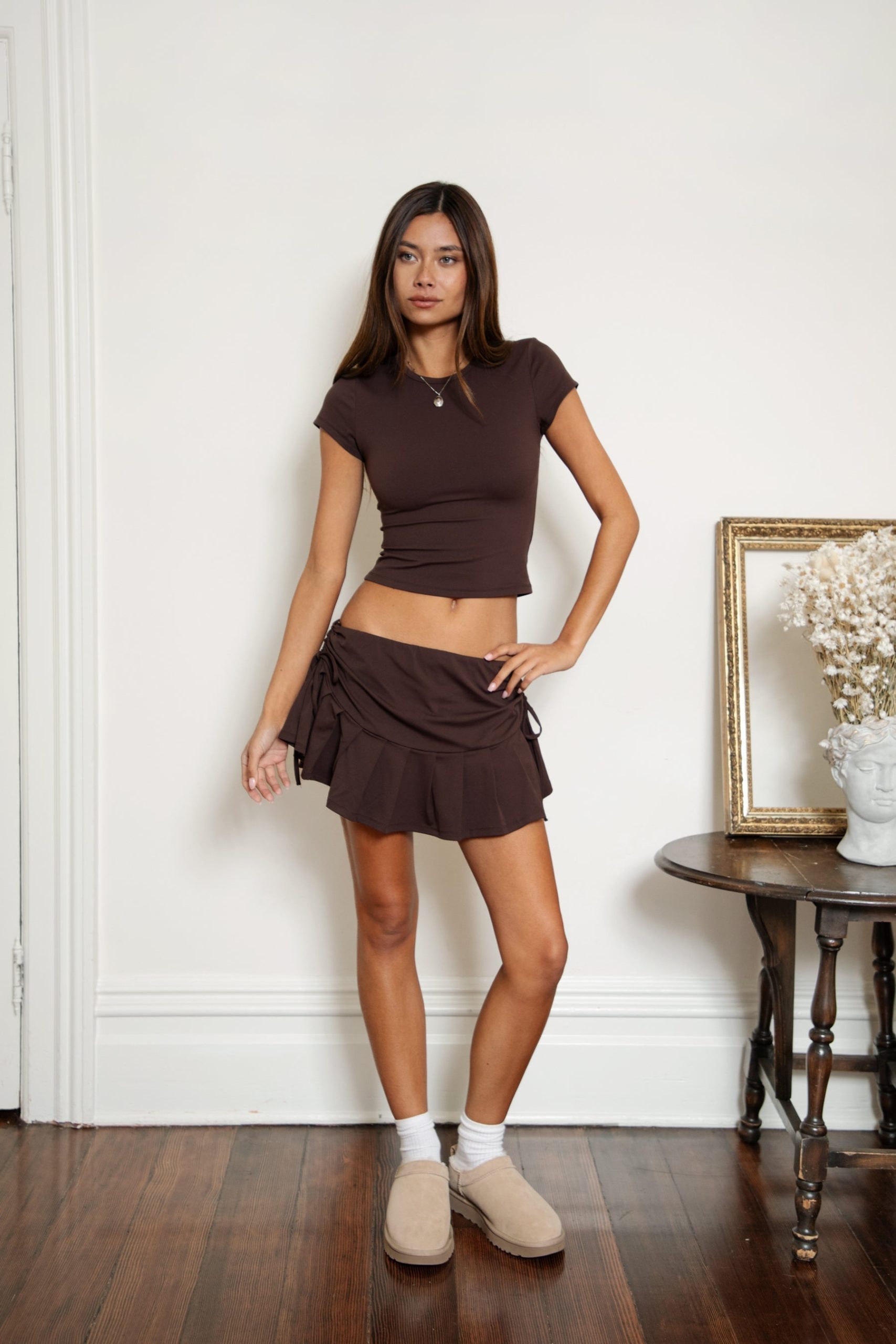
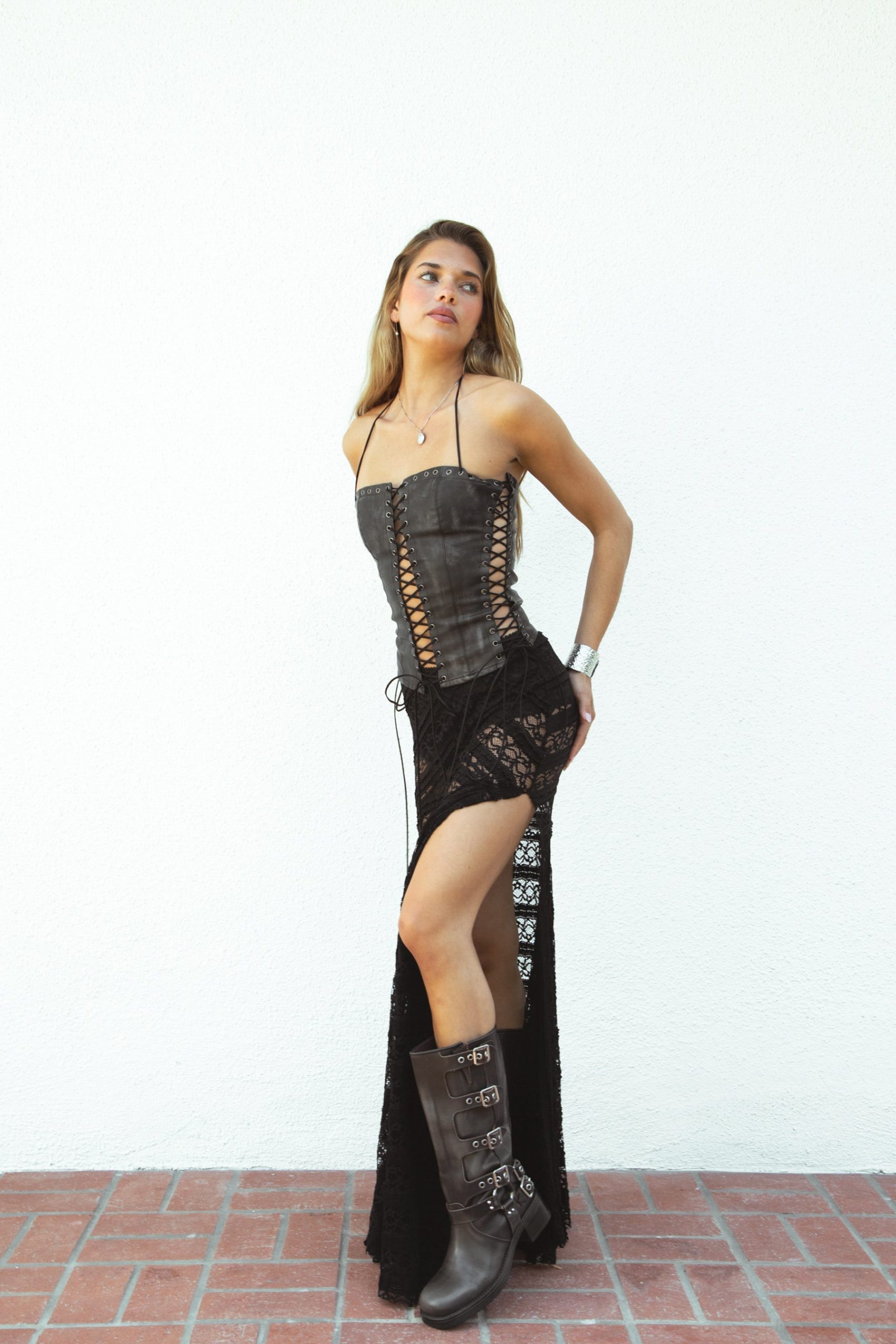
Meet the pieces you’ll reach for again and again. From easy dresses and playful mini skirts to shorts made for sunny days, our latest collection brings fresh energy to your everyday wardrobe. Find your new favorites, style them your way, and make every outing feel like an occasion.
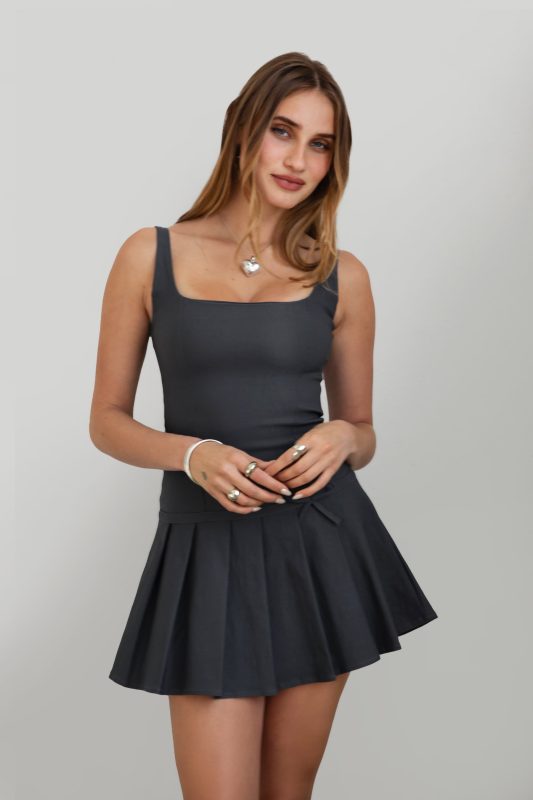
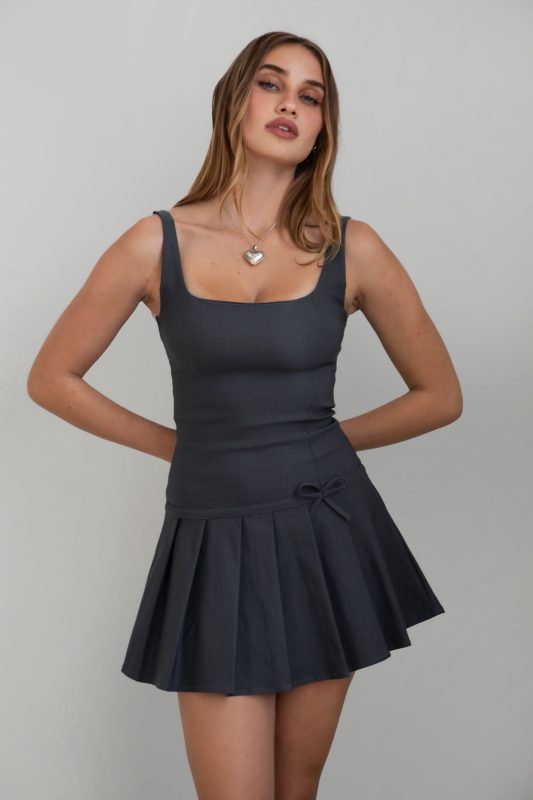
ADRINA Drop Waist Mini Dress
$45.00ADYEE Gingham Bubble Skirt With Built-In Shorts
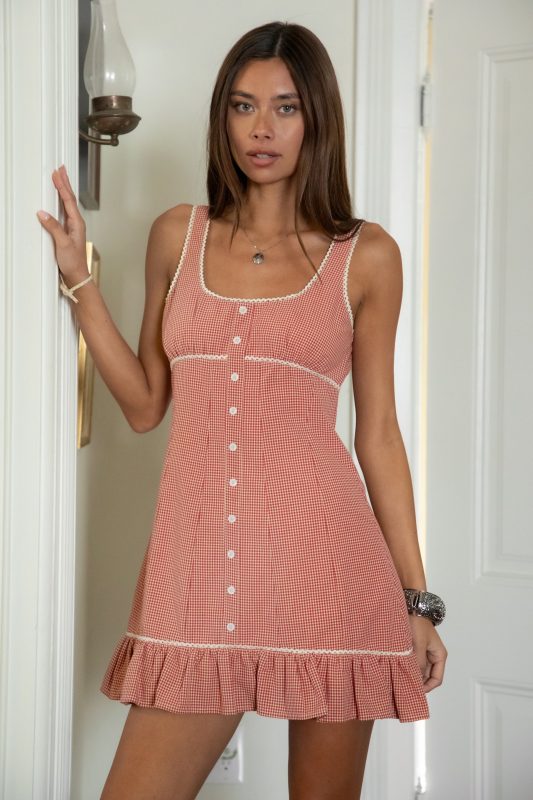
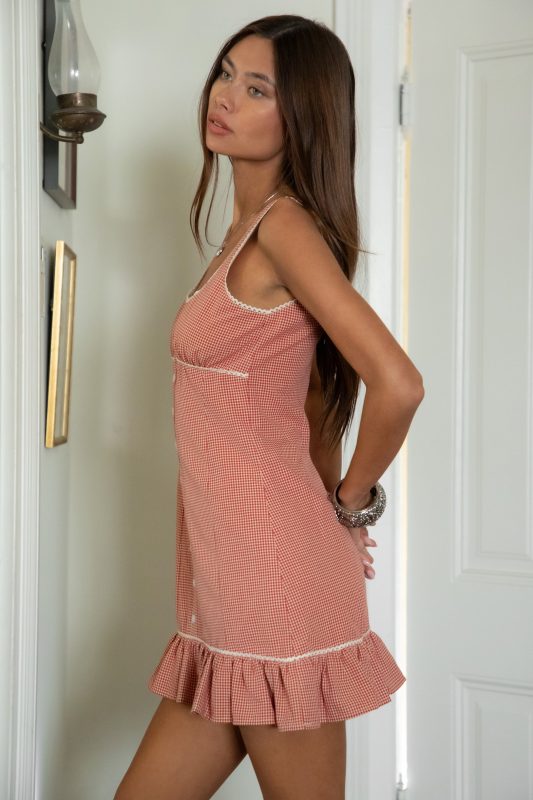
AMELIE Gingham Square Neck Sleeveless Mini Dress
TOP VISITED CATEGORIES
Discover the styles everyone is loving. From effortless dresses and flattering mini skirts to easygoing shorts, our most popular pieces are made to fit the way you live. Refresh your wardrobe with favorites that feel good to wear and are easy to make your own.
NEW THIS WEEK
COLLECTION EDITION 19
RUNWAY PROGRAM / AUTUMN TRANSITION
Glass Before Rain
MAIN LOOK / ICE BLUE / SLATE / EDITION 19
EDITOR'S NOTE
Glass Before Rain
This week's collection, Glass Before Rain, begins with the muted clarity of a city just before the weather changes. Pale ice blue, warm cream, deep slate, and a controlled note of brick red create a palette that feels cool without becoming severe. Fabrics were chosen for contrast: dry cotton twill gives the jacket a precise shoulder, fluid viscose softens the blouse, compact crepe shapes the dress, and a wool-blend weave gives the trousers and skirt enough body to hold a clean line. Silhouettes move between structure and release, pairing defined waists and tailored shoulders with wider hems and quieter drape. Construction remains deliberate but discreet, with narrow facings, concealed closures, shaped seams, and restrained topstitching. The styling mood is composed rather than formal. Each piece is designed to stand clearly on its own, yet the collection is strongest when crisp surfaces, soft movement, and one saturated red detail are allowed to meet.
FIVE LOOKS / PROGRAM 19
The Weekly Lineup
Five coordinated pieces arranged as a stepped runway sequence, moving from crisp structure toward softer motion.
LOOK 01
TAILORED JACKET
Frostline Contour Jacket
$148
COLOR Deep Slate
FABRIC 68% wool, 29% recycled polyester, 3% elastane
Wear it over cream layers and keep the lower silhouette wide to soften the defined shoulder.
LOOK 02
FLUID BLOUSE
Signal Fluid Blouse
$86
COLOR Brick Mineral Print
FABRIC 78% viscose, 22% silk
Let the blouse provide the week's strongest color, then ground it with slate trousers or a dark skirt.
LOOK 03
SCULPTED DRESS
Quiet Halo Midi Dress
$132
COLOR Warm Cream
FABRIC 72% compact viscose crepe, 24% rayon, 4% elastane
Keep accessories restrained and let the shaped waist and clean midi length carry the silhouette.
LOOK 04
WIDE-LEG TROUSERS
Ice Arc Wide-Leg Trouser
$104
COLOR Ice Stone
FABRIC 54% wool, 44% viscose, 2% elastane
Pair the broad leg with a closer top or a tucked blouse so the waist remains the quiet point of control.
LOOK 05
TEXTURAL MIDI SKIRT
Transit Structured Midi
$92
COLOR Dark Slate
FABRIC 63% cotton twill, 32% modal, 5% elastane
Use a fine knit or fluid blouse above it and repeat the brick-red accent in one small styling detail.
The collection moves from tailored definition through fluid surface and sculpted shape, finishing with broader proportions and a grounded dark hem.